East West Dialogue
东东西对话
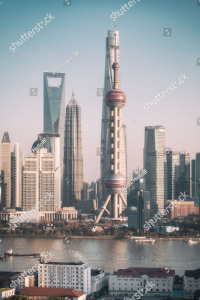

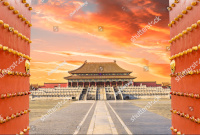

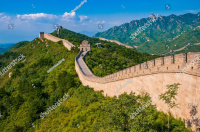

We stand at a pivotal moment in history, witnessing a shift in global power from West to East. This transition presents both opportunities and challenges, demanding a nuanced understanding of the differing cultural, philosophical, and religious landscapes that shape our world. How do we foster genuine dialogue that bridges these divides, promoting understanding rather than fear and anxiety?
The East West Dialogue Process seeks to address this crucial question. We recognize the profound differences in language, social organization, spirituality, and the narratives we use to understand ourselves and our place in the cosmos. These differences, if left unexamined, can easily lead to misunderstandings and perpetuate the “Thucydides Trap”, a historical pattern where a rising power challenges an established one, often resulting in conflict.
Our aim is to create an event or series of events for respectful exploration of these contrasting perspectives, focusing on the shared human experience that underlies them. We will delve into the rich tapestry of Eastern and Western thought, examining how these traditions have shaped our understanding of:
The East West Dialogue Process will encompass both historical analysis and personal reflection. We invite all involved to share their own experiences and insights, illuminating how their backgrounds have shaped their worldviews. We believe that by acknowledging the “unsaid” and the “felt”, we can move beyond purely intellectual discourse and engage with the deeper, often unspoken, aspects of our respective traditions. This experiential component will be woven throughout the symposium, creating opportunities for deeper connection and understanding.
Want to get involved? Visit our How to Engage page.